How to Start Investing With Index Funds

It is easy to be intimidated, or worse, to fall prey to hype and expensive advice. Forget trying to pick the next hot stock; we are going to focus on a method that champions consistency, diversification, and low costs.
Understanding Index Funds: Your Gateway to Diversified Investing
Think of an index like the S&P 500, which represents 500 of the largest U.S. companies. Instead of buying shares in each of those 500 companies individually, an S&P 500 index fund allows you to own a tiny piece of all of them through a single investment. Index funds operate on a passive strategy: they do not have fund managers actively trying to outperform the market by picking stocks. Their goal is simply to mirror the performance of their chosen index.
What are index funds, and how do they differ from other investment types?
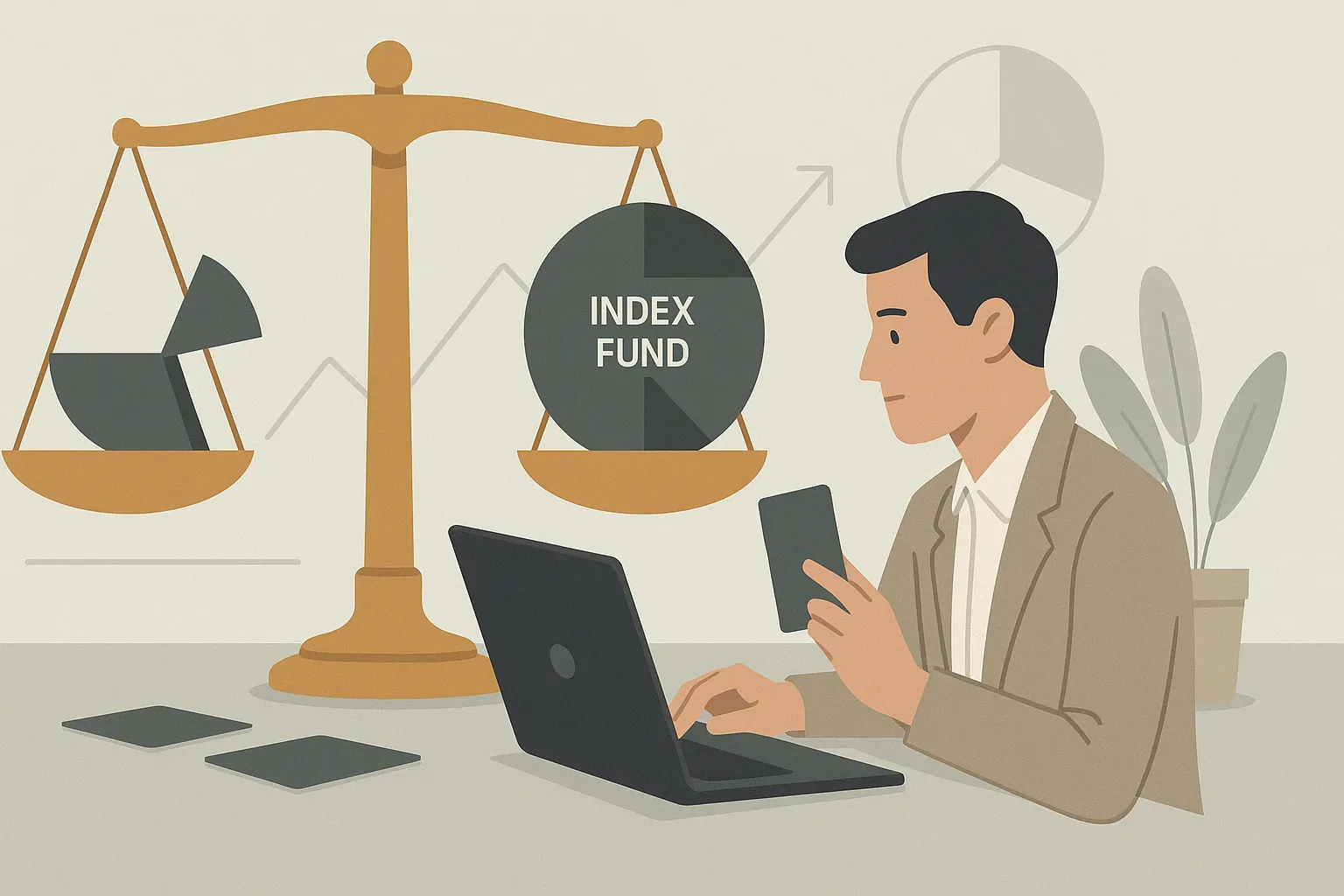
Index funds differ significantly from actively managed funds, which employ professional managers to research, select, and trade stocks or bonds in an attempt to beat market benchmarks. Another common investment type is individual stocks or bonds. Buying individual stocks requires significant research, time, and a high tolerance for risk, as the performance of a single company can be highly volatile. Index funds, by contrast, offer instant diversification, lower costs due to their passive management, and a simplified approach that requires less ongoing attention. They are also available as Exchange Traded Funds (ETFs), which trade like stocks on an exchange throughout the day.
Why Index Funds are Ideal for Beginner Investors
You do not need to analyze company balance sheets or predict market trends. By investing in an index fund, you are essentially investing in the collective performance of the entire market or a broad segment of it. Second, they provide immediate diversification, reducing the risk inherent in individual stock picking. Even with a modest initial investment, you gain exposure to hundreds, if not thousands, of different companies or assets. Because they are passively managed, they incur fewer operational costs compared to actively managed funds, meaning more of your money stays invested and compounds over time. Fourth, their hands-off nature suits long term investors perfectly.
Why are index funds particularly well-suited for new investors?
The immediate diversification removes the need for extensive research into individual companies, mitigating the high risk of concentrated bets. Their low expense ratios mean that beginners are not penalized by high fees, which can significantly erode returns over time. The passive management style eliminates the need for constant monitoring or trying to time the market, a notoriously difficult and often counterproductive strategy for even experienced investors. This frees up beginners to focus on consistent contributions and long term growth, rather than getting caught up in short term fluctuations.
Pre-Investment Checklist: Getting Your Finances Ready
First, establish an emergency fund. Second, address high-interest debt. Third, clearly define your financial goals. Are you saving for retirement, a down payment, or something else? Your goals will influence your investment timeline and risk tolerance. Fourth, understand your personal risk tolerance. While index funds are diversified, they are still subject to market fluctuations. Knowing how you might react to market downturns will help you choose appropriate asset allocations and stick to your plan.
How much money do I need to start investing in index funds?
One of the most encouraging aspects of index fund investing for beginners is that you do not need a large sum of money to get started. Many brokerage firms have eliminated minimum investment requirements for certain index funds, particularly for ETFs. You can often begin with as little as $50 or $100, or even just the price of one share if you are buying an ETF. For traditional mutual fund index funds, some providers might still have minimums, often around $1,000 or $3,000, but many also offer "starter" funds with lower thresholds or waive minimums if you commit to regular automatic contributions. The key is to start somewhere, even with small amounts, and commit to consistent investing. The power of compounding, where your earnings begin to earn their own returns, is far more significant over time than the initial lump sum, making regular contributions a powerful strategy regardless of the starting amount. Consistency is more important than the initial sum for long term wealth building with index funds.
step by step: Opening Your Brokerage Account and Choosing Funds
Once you have chosen a broker, you will need to decide on the type of investment account. For more flexible goals, a taxable brokerage account is appropriate. The application process typically involves providing personal information, such as your Social Security number and employment details, to verify your identity. After your account is approved, the next step is to fund it, usually by linking your bank account and initiating an electronic transfer. Once funds have settled, navigate to the brokerage's investment search tool. Look for index funds or ETFs that track broad market indexes, such as the S&P 500 or a total U.S. stock market index. You will then place a buy order for the desired fund or ETF, specifying the amount you wish to invest.
What are the exact steps to open an investment account and purchase your first index fund?
The exact steps to open an investment account and purchase your first index fund involve a clear sequence of actions. First, research and select an online brokerage firm that aligns with your needs, considering factors like fees, available funds, and platform usability. Second, choose your account type; a Roth IRA or Traditional IRA is excellent for retirement savings due to tax benefits, while a general brokerage account offers more flexibility. Third, complete the online application, which will require personal details, employment information, and your Social Security number for identity verification. Fourth, link your bank account to the brokerage account to facilitate funding. Initiate an electronic funds transfer (EFT) to deposit money into your new investment account. Fifth, once the funds have settled, use the brokerage's search function to find an index fund or ETF. For beginners, a broad market index fund, such as one tracking the S&P 500 or the total U.S. stock market, is highly recommended. Finally, place a buy order for the desired fund, specifying the dollar amount or number of shares you wish to purchase. Confirm the transaction, and you will officially own your first index fund. Most brokerages allow you to set up recurring investments, making the process even more automated and consistent for future contributions.
Building Your Core Portfolio: Which Index Funds to Consider
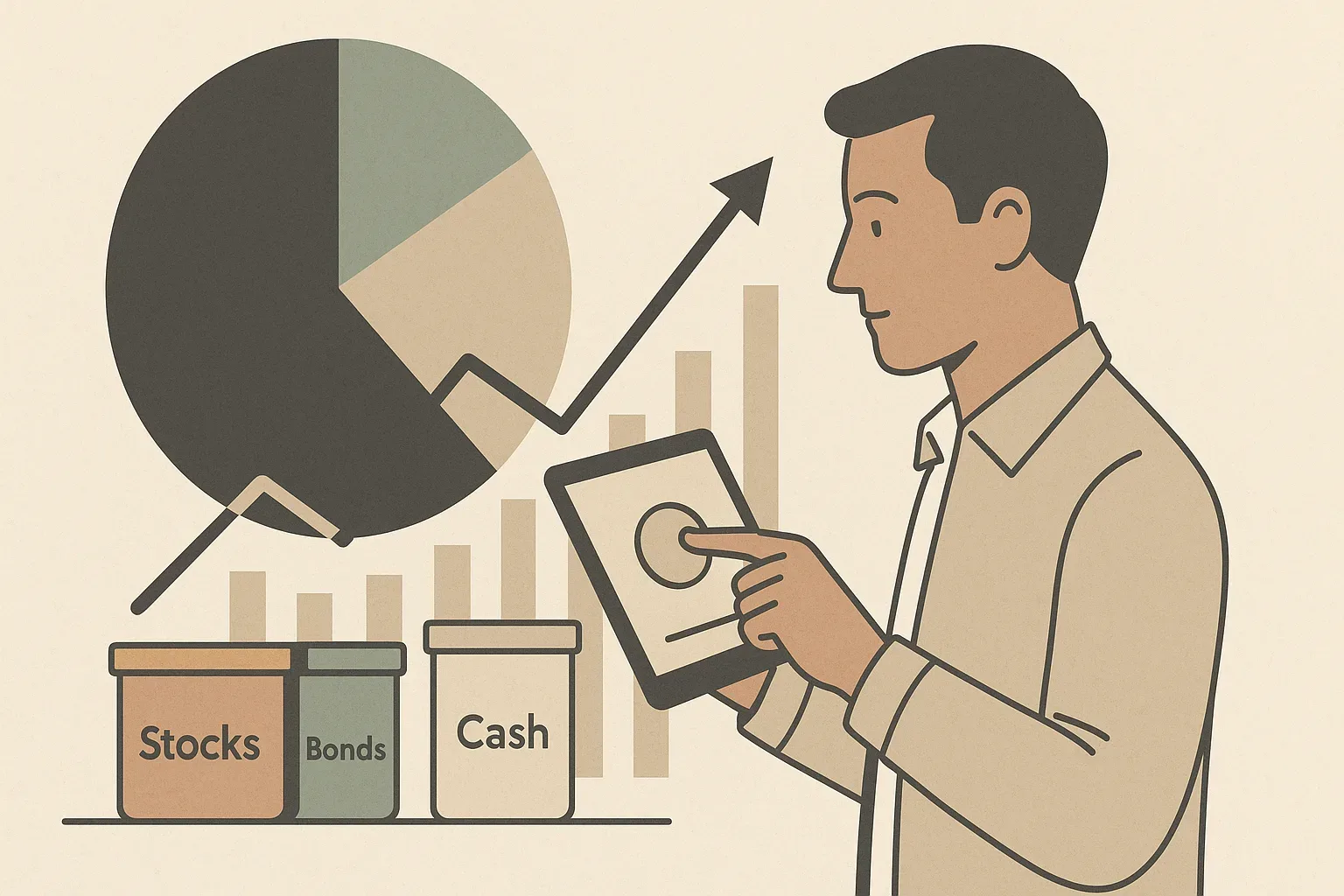
Building a robust core portfolio with index funds means focusing on broad market exposure and diversification. For most beginner investors, a simple three-fund portfolio is an excellent starting point. This typically includes a total U.S. stock market index fund (or an S&P 500 fund), a total international stock market index fund, and a total U.S. bond market index fund. The total U.S. stock market fund gives you exposure to thousands of American companies, from large to small. An international stock fund diversifies your equity exposure globally, protecting you from downturns in any single national economy. Including a bond fund adds stability to your portfolio, especially as you approach retirement or if you have a lower risk tolerance. The specific allocation between stocks and bonds should align with your age, time horizon, and risk tolerance; generally, younger investors with longer time horizons lean more heavily into stocks, while older investors might favor a higher bond allocation. Understanding asset allocation is key, and our article at /blog/what-is-asset-allocation-passive-investing provides deeper insights. Always prioritize funds with very low expense ratios, ideally below 0.15% or 0.20%, as these fees directly eat into your returns over decades.
How do I select the best index funds to build a diversified, long term portfolio?
Selecting the best index funds for a diversified, long term portfolio involves a few key considerations. First and foremost, focus on broad market coverage. Look for funds that track major indexes like the S&P 500 (representing large U.S. companies), the Russell 3000 or a total U.S. stock market index (covering large, mid, and small U.S. companies), and a total international stock market index (for global diversification). Second, scrutinize expense ratios. The lower the expense ratio, the better, as even small differences can accumulate significantly over decades. Aim for funds with expense ratios well under 0.20%. Third, consider the fund provider's reputation and size, with Vanguard, Fidelity, and Schwab being prominent choices known for low-cost index funds. Fourth, decide on your asset allocation strategy – the percentage of your portfolio allocated to stocks versus bonds. This decision should be based on your age, financial goals, and comfort with risk. A common strategy for beginners is to start with a high stock allocation (e.g., 80-90% stocks, 10-20% bonds) and gradually increase bond exposure as they get closer to their goals. Finally, remember that "best" is subjective and evolves. The best approach is often to pick a few broad, low-cost funds and stick with them consistently, rather than chasing perceived "hot" funds.
The Long Game: Managing Your Index Fund Investments
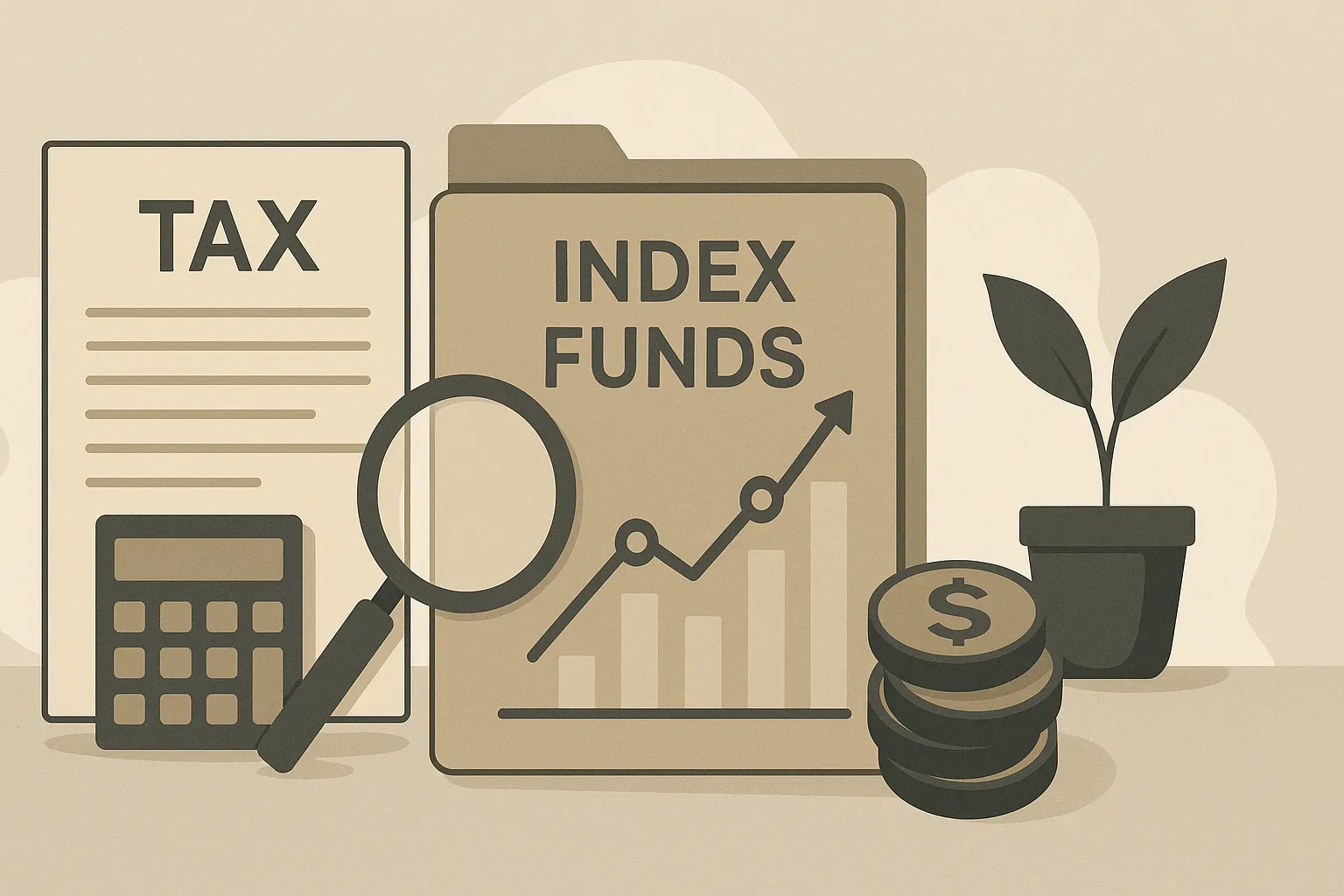
Investing in index funds is not a sprint; it is a marathon. The core principle of managing these investments is discipline and patience. Set up automatic transfers from your bank account to your brokerage account on a regular schedule, such as bi-weekly or monthly. This practice, known as dollar-cost averaging, ensures you buy more shares when prices are low and fewer when prices are high, smoothing out your average purchase price over time. Resist the urge to constantly check your portfolio balance or react emotionally to market fluctuations. short term volatility is normal, and attempting to time the market by buying and selling based on news headlines is a common pitfall that rarely pays off. Periodically, perhaps once a year, review your portfolio to ensure your asset allocation still aligns with your goals and risk tolerance. Finally, be mindful of the tax implications of your investments, especially in taxable accounts. Our article at /blog/tax-implications-of-index-funds provides essential information on this topic.
Common Pitfalls and Smart Strategies for Index Fund Investors
While index funds simplify investing, there are still common pitfalls that beginners should be aware of and strategies to overcome them. One major pitfall is panicking during market downturns. It is natural to feel anxious when your portfolio value drops, but selling during a crash locks in losses and prevents you from participating in the inevitable recovery. The smart strategy is to stay the course, and ideally, continue investing during these periods, buying shares at lower prices. Another trap is chasing past performance. A fund that performed exceptionally well last year might not do so again. Focus on broad diversification and low costs rather than trying to pick winners. Over-diversification, or investing in too many niche or overlapping funds, can also dilute the benefits of simplicity and broad market exposure. A few well-chosen, diversified index funds are often more effective than a sprawling collection. Lastly, neglecting fees, even small ones, can significantly impact long term returns. Always choose funds with the lowest possible expense ratios. The smartest strategy is consistent, automated investing into a diversified, low-cost portfolio, coupled with a long term perspective that ignores short term market noise.
Next Steps: Expanding Your Investment Horizon
Once you have established your core index fund portfolio and committed to regular contributions, you are well on your way to building long term wealth. However, investing is an ongoing journey of learning and adaptation. Your next steps might include delving deeper into specific areas. You could explore advanced asset allocation strategies as your financial situation changes, perhaps incorporating real estate or other alternative investments. Consider how your investments integrate into your broader financial plan, including estate planning and insurance. As your wealth grows, you might also want to explore tax-efficient strategies beyond just retirement accounts, such as tax-loss harvesting in taxable brokerage accounts. Always stay informed, but avoid getting caught up in sensationalist financial news. Regularly review your financial goals and adjust your investment plan as needed to reflect major life changes, such as marriage, parenthood, or a new career. Remember, the principles of long term, low-cost, diversified investing remain timeless, but how you apply them can evolve with your life. Keep learning, stay disciplined, and continue to build financial security for your future.
MoneyAmped publishes educational analysis. Nothing here is financial advice; verify product terms, fees and regulatory status independently before acting.